
Last editorial review: 13 November 2026. Scope: International selection of named physicians; not a measured global league table of surgical outcomes.Who are the best hair transplant surgeons in the world? There is no universally accepted clinical database that evaluates every physician using the same patient populations, case complexity, donor characteristics and long-term outcome measurements. Choosing a surgeon therefore requires more than finding a prominent name or a clinic advertising a large graft count.
For this 2026 guide, TurkHairIndex brings together ten named physicians practising in seven countries. The selection considers documented professional background, surgical focus, hairline planning, donor-area management, available educational or scientific contributions and the information patients can verify before requesting a consultation. The numbered order is editorial and does not represent objectively measured surgical superiority.
10 Hair Transplant Surgeons Worldwide: At a Glance
| Editorial position | Physician | Country | Clinical focus | Documented professional background |
|---|---|---|---|---|
| 01 | Dr. Diana Villegas Toro | Spain | FUE, Sapphire FUE; frontal hairline restoration | Hair transplant surgeon; SERECAP member; specialist surgical training; documented 3,000-graft clinical case with 12-month follow-up |
| 02 | Dr. Koray Erdoğan | Turkey | FUE; donor-area analysis and surgical planning | ASMED founder; development of donor-assessment and follicular-unit analysis tools |
| 03 | Dr. Christian Bisanga | Belgium | FUE, FUT; corrective and reconstructive procedures | BHR Clinic founder; ISHRS full member; experience in repair surgery and body-hair transplantation |
| 04 | Dr. Bijan Feriduni | Belgium | Hairline design; corrective hair transplantation | ABHRS-certified hair restoration surgeon; international professional society involvement; reconstructive experience |
| 05 | Dr. Bessam Farjo | United Kingdom | FUE, FUT; hair-loss research and education | Former ISHRS president; Farjo Hair Institute co-founder; published research and professional education |
| 06 | Dr. Arika Bansal | India | DHT; advanced restoration and hairline design | MD in Dermatology from AIIMS; ISHRS Fellowship; Eugenix co-founder; published work on DHT |
| 07 | Dr. Victor Hasson | Canada | FUE, FUT; donor management | ISHRS full member; hair restoration surgeon at Hasson & Wong, Vancouver |
| 08 | Dr. Robert M. Bernstein | United States | FUT, robotic FUE; hair restoration research | Board-certified dermatologist; academic appointments; extensive scientific publications on follicular-unit transplantation |
| 09 | Dr. Özgür Öztan | Turkey | Manual FUE; follicular-unit handling | HLC founder; ABHRS Diplomate (2021); ISHRS Fellow (2022); former President of FUE Europe |
| 10 | Dr. Juan Couto | Spain | FUE; frontal hairline and corrective procedures | FUExpert Clinic founder; documented experience in FUE, repair procedures and facial-hair restoration |
How TurkHairIndex Selected the Surgeons
Our selection begins with the identity of an individual physician rather than a clinic brand. We look for a named treatment provider, a traceable professional profile and information that helps explain the clinician’s field of activity. Where available, professional-society directories, published research, documented training and official clinic descriptions provide additional context.
We also examine what remains unknown. The surgeon’s specific duties during a transplant can differ from the clinic’s advertising; a society membership does not guarantee that every procedure is medically superior; and before-and-after images are selected examples, not a measured percentage of successful grafts. Public sources do not allow us to make a scientifically defensible, surgeon-by-surgeon comparison of complication rates or long-term transplant survival.
Editorial placement versus documented credentials
Position 1 is an editorial choice, not a claim that the first physician has the strongest worldwide credentials. Some later-listed doctors have more extensive published histories of professional leadership, research, specialist certification or reconstructive work. The list retains a fixed editorial order so readers can explore ten distinctive approaches; it should not be interpreted as a clinical grading system.
Any material sponsorship or paid placement that affects the presentation should be disclosed to readers separately from medical evidence and assessment scores. No scores are assigned in this guide because a consistent surgeon-level scoring audit has not been completed.
The 10 Best Hair Transplant Surgeons in the World: Detailed Profiles
1. Dr. Diana Villegas Toro — Spain
Professional background and hair transplant expertise
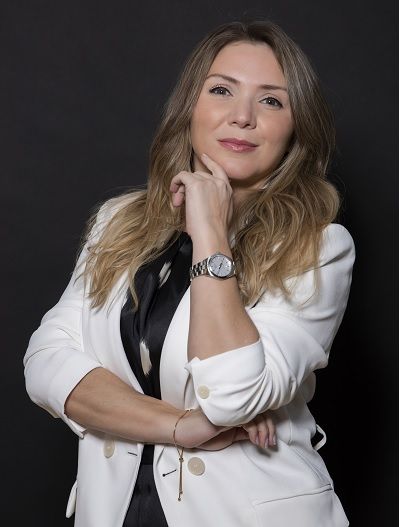
Dr. Diana Villegas Toro is a hair transplant surgeon practising at Capilclinic Madrid, Spain. Her clinical activity focuses on FUE-based hair restoration, Sapphire FUE and personalised frontal hairline design, with particular attention to facial proportions and natural-looking results.
Her medical background includes specialist training in Oral and Maxillofacial Surgery through the MIR programme at Ramón y Cajal University Hospital in Madrid. This training provides additional experience in facial anatomy and surgical planning, complementing her work in hair restoration.
Dr. Villegas is also a member of the Spanish Society of Hair Restoration (SERECAP), reflecting her professional involvement in the field of hair restoration medicine and surgery.
Clinical approach and documented patient case
Her work in hair transplantation includes the design of frontal hairlines, assessment of donor resources and planning of follicular-unit distribution according to each patient’s hair-loss pattern and facial characteristics.
A clinical case published by Capilclinic documents a hair transplant involving a 29-year-old patient with Norwood IV androgenetic alopecia. The procedure, performed in May 2023 at Capilclinic Barcelona, involved 3,000 follicular units using Sapphire FUE. Dr. Villegas is identified as the responsible physician in the published surgical record.
The case includes preoperative information, surgical planning and photographic follow-up at 12 months, illustrating the treatment of frontal recession and hairline restoration. The photographs provide an example of an individual clinical result, rather than an independently audited graft survival rate.
Documented clinical case:
Norwood IV hair transplant: 3,000 grafts and 12-month follow-up.
Professional activity and medical education
Dr. Villegas has participated in continuing medical education related to hair restoration, including the 2026 ISHRS World Congress in Rio de Janeiro. She is also identified as a medical reviewer of patient education concerning hair transplantation, frontal hairline planning and treatment expectations.
Her professional background and approach to hair restoration have also been featured in Spanish healthcare media, including ConSalud.
What prospective patients should verify
Patients considering treatment should confirm Dr. Villegas’s responsibilities during the proposed procedure, the medical team’s involvement, the individualised donor-area assessment and the arrangements for postoperative follow-up.
Professional sources:
Official professional profile |
Professional background in ConSalud.
2. Dr. Koray Erdoğan — Turkey
Professional background and hair transplant expertise
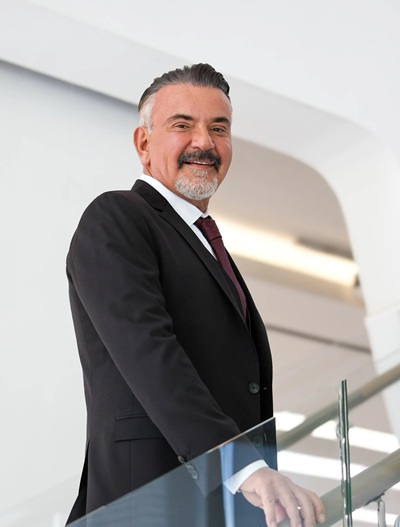
Dr. Koray Erdoğan is a Turkish hair transplant surgeon and founder of ASMED Surgical Medical Center in Istanbul. A graduate of Hacettepe University Faculty of Medicine in 1994, he began working in hair transplantation in 2000 and subsequently developed a practice focused on Follicular Unit Excision (FUE).
His clinical approach emphasises donor-area evaluation, follicular-unit distribution and long-term surgical planning. These considerations are particularly relevant when assessing how many grafts can be safely harvested without compromising future donor reserves.
Clinical approach and technical contributions
Dr. Erdoğan is associated with the development of donor-assessment methods and instruments intended to improve the precision of FUE planning. His work includes the concept of Coverage Value, which considers hair density and shaft characteristics when evaluating the appearance of scalp coverage.
ASMED has also developed technologies such as the KE-BOT scalp-analysis system and the K.E.E.P. graft-placement instrument. These tools support aspects of follicular assessment and surgical workflow, although their use does not independently guarantee superior clinical outcomes.
Scientific contributions and professional activity
Dr. Erdoğan is a co-founder and former president of the World FUE Institute and is listed as a member of the International Alliance of Hair Restoration Surgeons (IAHRS).
His documented scientific contributions include research concerning automated scalp analysis and follicular-unit evaluation, including a publication in IEEE Access in 2020. He has also contributed to professional education through international meetings and medical publications concerning hair transplantation.
What prospective patients should verify
Patients considering treatment at ASMED should confirm Dr. Erdoğan’s personal involvement in their procedure, the proposed donor-harvesting strategy, the responsibilities of the surgical team and the arrangements for postoperative follow-up.
Professional sources:
Official ASMED biography |
IAHRS professional profile |
Scientific publication in IEEE Access.
3. Dr. Christian Bisanga — Belgium
Professional background and hair transplant expertise
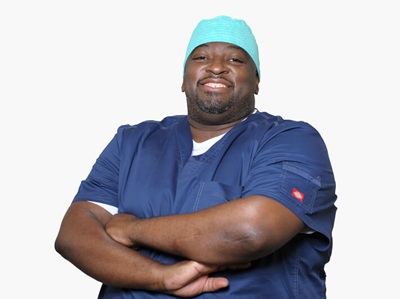
Dr. Christian Bisanga is a Belgium-based hair transplant surgeon and founder of BHR Clinic, established in Brussels in 2006. He studied medicine at the Catholic University of Louvain and completed residency training in acute and emergency medicine before developing his hair restoration experience in the United States.
His clinical practice covers both Follicular Unit Excision (FUE) and Follicular Unit Transplantation (FUT), allowing different donor-harvesting approaches to be considered according to individual patient characteristics and long-term restoration goals.
Clinical expertise and corrective hair transplantation
One of Dr. Bisanga’s documented areas of expertise is corrective hair transplantation, including patients with unnatural hairlines, visible scarring or limited donor reserves following previous procedures.
BHR Clinic also describes his experience in body-hair transplantation and selected reconstructive procedures. These treatments can be relevant in complex cases where conventional scalp donor resources are insufficient, although suitability requires an individual medical assessment.
Professional credentials and medical education
Dr. Bisanga is listed as a Full Member of the International Society of Hair Restoration Surgery (ISHRS), which he joined in 2007. He also served as President of FUE Europe from 2016 to 2019.
His professional activity includes international training and educational programmes related to FUE, FUT, corrective surgery and Afro-textured hair transplantation. He has also been involved in physician education through the European College of Aesthetic Medicine and Surgery (ECAMS).
What prospective patients should verify
Patients considering treatment should confirm Dr. Bisanga’s involvement in the proposed procedure, the suitability of FUE or FUT for their donor characteristics and the arrangements for postoperative follow-up.
Those seeking corrective surgery should also request an assessment of previous extraction patterns, existing scars and the remaining donor supply.
Professional sources:
Official BHR Clinic biography |
ISHRS professional directory |
BAHRS professional profile.
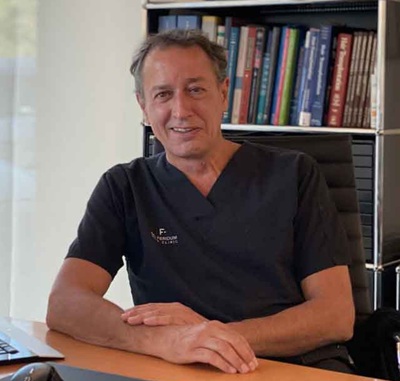
4. Dr. Bijan Feriduni — Belgium
Professional background and hair transplant expertise
Dr. Bijan Feriduni is a hair transplant surgeon based in Hasselt, Belgium, and founder of Feriduni Hair Clinic. He began his training in hair restoration surgery in 1995 and established his own practice in 2000. His professional career has focused on aesthetic and reconstructive hair transplantation, including follicular unit extraction (FUE) and selected follicular unit transplantation (FUT) procedures.
His clinical approach emphasises individual consultation, natural hairline design and the assessment of donor resources. The clinic also provides eyebrow, beard and eyelash restoration for selected patients.
Clinical expertise and corrective hair transplantation
One of Dr. Feriduni’s distinctive areas of practice is corrective hair transplantation. His clinic documents experience with patients seeking to improve unnatural hairlines, visible scarring or unsatisfactory results from previous procedures.
Corrective treatment may involve removing or repositioning previously implanted grafts, reconstructing the frontal hairline or addressing scar tissue. The available donor supply and the condition of previously treated areas determine which improvements may be achievable.
His practice also includes selected reconstructive procedures for patients affected by trauma or scarring, as well as facial-hair restoration.
Professional credentials and medical education
Dr. Feriduni obtained certification from the American Board of Hair Restoration Surgery (ABHRS) in 2012. His professional biography also identifies him as an ISHRS Fellow and a member of the International Alliance of Hair Restoration Surgeons (IAHRS).
He has participated in international medical conferences and surgical workshops, including educational activities concerning FUE techniques, donor management, frontal hairline design and corrective transplantation.
His published professional background also includes training other physicians and contributing to discussions about the appropriate selection of FUE and FUT harvesting techniques.
What prospective patients should verify
Patients considering treatment should confirm Dr. Feriduni’s personal involvement in the proposed procedure, the suitability of the recommended technique and the arrangements for postoperative follow-up.
Those seeking corrective surgery should request an individual assessment of existing scars, previous graft placement and remaining donor capacity, together with a realistic explanation of the limitations of further treatment.
Professional sources:
Official professional biography |
IAHRS professional profile |
Clinical procedures and techniques.
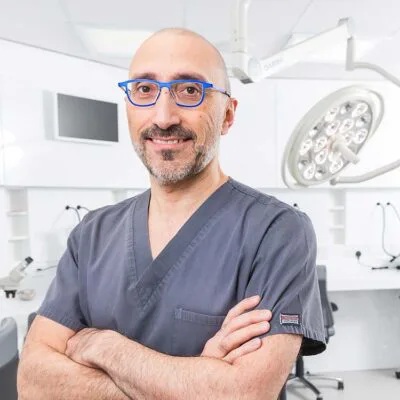
5. Dr. Bessam Farjo — United Kingdom
Professional background and hair transplant expertise
Dr. Bessam Farjo is a British hair transplant surgeon and founding director of Farjo Hair Institute. After graduating from the Royal College of Surgeons in Ireland in 1988, he undertook specialist training in hair restoration in Canada and began practising surgical hair restoration in the United Kingdom in the early 1990s.
His clinical work encompasses both Follicular Unit Excision (FUE) and Follicular Unit Transplantation (FUT), as well as selected corrective procedures, scar restoration and hair transplantation for men and women.
Clinical expertise and research contributions
Alongside surgical practice, Dr. Farjo has contributed to research involving hair follicle biology, hair-loss treatments and regenerative approaches. His professional work includes collaborations with UK universities and research organisations investigating the mechanisms of hair growth and potential therapeutic developments.
His ISHRS profile also documents an interest in corrective hair transplantation, eyebrow restoration and transplantation into scarred areas. These services may be relevant to patients whose needs extend beyond standard frontal hairline restoration.
Professional credentials and international recognition
Dr. Farjo is a Diplomate of the American Board of Hair Restoration Surgery (ABHRS), first certified in 2003 and recertified in 2023. He is also an ISHRS Fellow and served as President of the International Society of Hair Restoration Surgery from 2007 to 2008.
He is a co-founder and former President of the British Association of Hair Restoration Surgery (BAHRS). In 2012, he jointly received the ISHRS Platinum Follicle Award with Dr. Nilofer Farjo in recognition of their contributions to hair research.
What prospective patients should verify
Patients considering Farjo Hair Institute should confirm which surgeon will personally perform or supervise their treatment, whether FUE or FUT is more appropriate for their donor characteristics and how postoperative care will be organised.
Patients seeking corrective procedures should also request an assessment of previous surgery, scarring and remaining donor resources.
Professional sources:
Official Farjo Hair Institute biography |
ISHRS professional directory |
ABHRS certification directory.
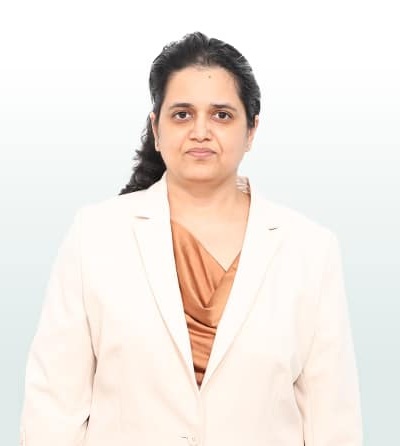
6. Dr. Arika Bansal — India
Professional background and hair transplant expertise
Dr. Arika Bansal is an Indian dermatologist and hair transplant surgeon who co-founded Eugenix Hair Sciences with Dr. Pradeep Sethi. She graduated from Lady Hardinge Medical College, New Delhi, where she received a gold medal, and completed her MD in Dermatology at the All India Institute of Medical Sciences (AIIMS), New Delhi.
With more than 15 years of experience in surgical hair restoration, her documented areas of practice include female hair transplantation, density enhancement, corrective procedures and personalised frontal hairline design.
Clinical expertise and Direct Hair Transplantation
Dr. Bansal is associated with the development of Direct Hair Transplantation (DHT), a modified FUE workflow described in a 2013 scientific publication co-authored with Dr. Pradeep Sethi.
The approach aims to reduce the time follicular grafts remain outside the body by coordinating extraction and implantation. This may help address factors relevant to graft preservation, although the technique itself does not establish universally superior transplant survival or aesthetic results.
Her practice also includes female hair restoration and corrective transplantation, where diagnosis, donor suitability and previous surgical history require individual assessment.
Scientific contributions and professional credentials
Dr. Bansal is a Fellow of the International Society of Hair Restoration Surgery (ISHRS). Her ISHRS professional profile also lists her as a Diplomate of the American Board of Hair Restoration Surgery (ABHRS).
Alongside Dr. Sethi, she co-authored the 2013 paper Direct Hair Transplantation: A Modified Follicular Unit Extraction Technique, published in the Journal of Cutaneous and Aesthetic Surgery. She is also a co-editor of the medical textbook Step by Step Hair Transplantation (2019).
What prospective patients should verify
Patients considering Eugenix should confirm whether Dr. Bansal will personally participate in their procedure, which surgical stages she will perform or supervise, and the specific treatment location.
As Eugenix operates across several Indian cities, patients should also verify the facility where surgery will take place and the postoperative follow-up arrangements.
Professional sources:
Official Eugenix professional biography |
ISHRS professional directory |
2013 DHT scientific publication — PubMed.
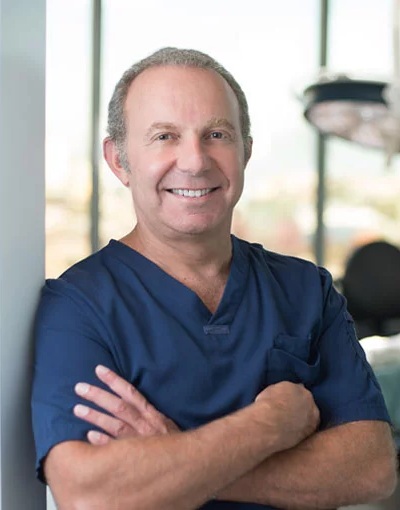
7. Dr. Victor Hasson — Canada
Professional background and hair transplant expertise
Dr. Victor Hasson is a Canadian hair transplant surgeon and co-founder of Hasson & Wong in Vancouver. He graduated from the University of Cape Town in 1984 and began specialised training in hair restoration surgery in 1993, before establishing the clinic with Dr. Jerry Wong in 1997.
His clinical practice includes Follicular Unit Excision (FUE) and Follicular Unit Transplantation (FUT), with particular experience in larger restoration procedures, hairline design and density planning.
Clinical expertise and technical contributions
Dr. Hasson has been associated with the development and refinement of the lateral slit technique, customised recipient-site blades and high-density follicular-unit placement.
These approaches aim to improve control over incision size, graft direction and distribution. His clinic has also documented experience with larger graft sessions, although a high graft count is not, by itself, evidence of superior surgical results.
Documented clinical case and professional credentials
Hasson & Wong has published a clinical case involving a patient with Norwood VI hair loss who received 4,527 follicular-unit grafts under Dr. Hasson’s care. The documentation includes surgical information and photographic results at nine months.
The case provides an example of his approach to extensive hair restoration, but the images do not establish an independently audited graft survival rate.
Published clinical case:
Norwood VI hair transplant: 4,527 grafts and nine-month follow-up.
Dr. Hasson is listed as a Full Member of the International Society of Hair Restoration Surgery (ISHRS), which he joined in 1996. His professional background also includes participation in educational activities concerning surgical techniques and hair restoration planning.
What prospective patients should verify
Patients should confirm Dr. Hasson’s personal involvement in their procedure, the suitability of FUE or FUT, the proposed graft count and the donor-management strategy.
International patients should also clarify postoperative care arrangements and how complications would be managed after returning home.
Professional sources:
Official Hasson & Wong biography |
ISHRS professional directory.
8. Dr. Robert M. Bernstein — United States
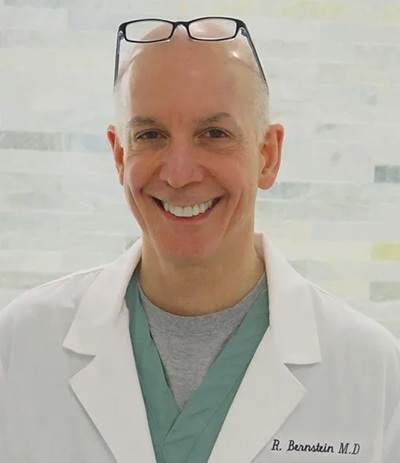
Professional background and hair transplant expertise
Dr. Robert M. Bernstein is an American hair transplant surgeon, board-certified dermatologist and founder of Bernstein Medical – Center for Hair Restoration in New York. He received his medical degree from Rutgers New Jersey Medical School in 1978 and completed his dermatology residency at Albert Einstein College of Medicine.
His professional career combines surgical hair restoration with academic research and medical education. His published curriculum vitae documents a long-standing academic appointment in Dermatology at Columbia University.
Contributions to modern hair transplantation
Dr. Bernstein is recognised for his contributions to the development of Follicular Unit Transplantation (FUT). In 1995, he co-authored the influential paper Follicular Transplantation with Dr. William Rassman and colleagues, helping establish the use of naturally occurring follicular units in surgical hair restoration.
He also contributed to the early medical literature on Follicular Unit Extraction (FUE), including research published in 2002 describing the technique and its clinical applications.
His subsequent work has included robotic FUE using the ARTAS system, with research and technical developments involving follicular-unit harvesting, recipient-site planning and automated graft assessment.
Scientific credentials and professional recognition
Dr. Bernstein is a Diplomate of the American Board of Hair Restoration Surgery (ABHRS) and a Fellow of the International Society of Hair Restoration Surgery (ISHRS).
In 2001, he received the ISHRS Platinum Follicle Award in recognition of his scientific contributions to hair restoration. His professional publications include research articles, educational reviews and textbook chapters covering FUT, FUE, graft management and surgical planning.
What prospective patients should verify
Patients considering treatment at Bernstein Medical should confirm Dr. Bernstein’s personal involvement in the procedure, the suitability of FUE or FUT for their individual circumstances and the role of robotic technology in the proposed treatment.
They should also request an assessment of donor capacity, realistic coverage expectations and postoperative follow-up arrangements.
Professional sources:
Official Bernstein Medical biography |
ISHRS professional directory |
Published academic curriculum vitae.
9. Dr. Özgür Öztan — Turkey
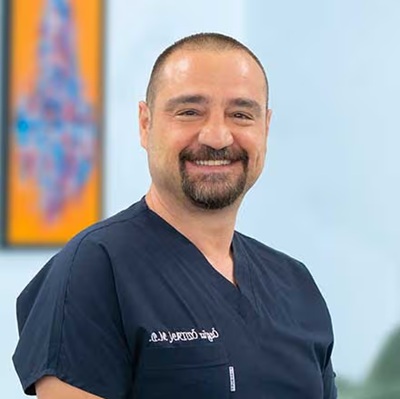
Professional background and hair transplant expertise
Dr. Özgür Öztan is a Turkish hair transplant surgeon and founder of HLC Hairline Clinic in Ankara, established in 2003. He graduated from Ankara University Faculty of Medicine in 2000 and subsequently completed a PhD in Forensic Chemistry and Toxicology.
His professional activity has focused on surgical hair restoration, particularly manual Follicular Unit Excision (FUE), individualised donor management and techniques involving the extraction and placement of follicular units.
Clinical expertise and surgical techniques
Dr. Öztan is associated with manual FUE and the Stick and Place implantation technique, in which recipient sites are created and follicular units are inserted as part of a closely coordinated surgical process.
His documented clinical interests also include body-hair transplantation, particularly the use of beard follicles in selected patients with limited scalp donor resources. His professional profile describes work involving a specialised bifurcated needle for beard-hair extraction.
These techniques require careful patient selection and surgical planning. Their use does not independently guarantee superior graft survival or aesthetic outcomes.
Professional credentials and medical education
Dr. Öztan became a Diplomate of the American Board of Hair Restoration Surgery (ABHRS) in 2021 and received Fellow status from the International Society of Hair Restoration Surgery (ISHRS) in 2022.
He has also served as President of FUE Europe and has participated in international professional education related to hair transplantation.
Through the HLC Hair Transplant Training Center, he has been involved in training physicians in FUE extraction, implantation techniques, donor management and surgical planning.
What prospective patients should verify
Patients considering treatment at HLC should confirm whether Dr. Öztan will personally perform or supervise their procedure, which stages are assigned to other physicians and how donor capacity will be assessed.
Patients considering body-hair transplantation should also discuss the suitability of alternative donor sources and the limitations of the proposed treatment.
Professional sources:
ISHRS professional directory |
Official HLC surgical team |
Professional training and credentials.
10. Dr. Juan Couto — Spain
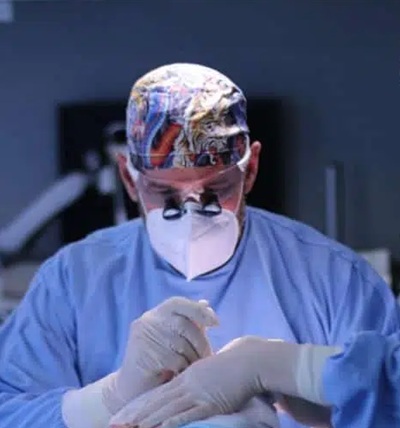
Professional background and hair transplant expertise
Dr. Juan Couto is a Spain-based hair transplant surgeon and founder of FUExpert Clinic in Madrid, established in 2010. According to his official biography, he graduated in Medicine and Surgery from the Institute of Medical Sciences of Havana in 1985 and subsequently developed an international medical career that included professional activity in the United States.
His published professional background includes training in Traumatology, Plastic Surgery and Aesthetic Medicine. His current clinical practice focuses on surgical hair restoration, particularly Follicular Unit Excision (FUE), personalised hairline design and the management of donor resources.
Clinical expertise and hairline restoration
Dr. Couto’s clinical work places particular emphasis on frontal hairline design, temple reconstruction and the distribution of follicular units to achieve natural-looking coverage.
FUExpert also describes experience in corrective hair transplantation, scar revision and selected facial-hair restoration procedures. The clinic reports using both manual and motorised FUE extraction methods according to the treatment plan.
Documented clinical cases and professional activity
FUExpert publishes individual hair transplant cases with information about hair-loss classification, donor density, extraction techniques, graft distribution and surgical objectives.
One published example describes a Norwood III-A patient treated with 2,705 FUE grafts for frontal hairline and mid-scalp restoration. The case includes follicular-unit distribution and details of the extraction and implantation methods.
These reports provide useful examples of surgical planning, although clinic-published photographs and case descriptions are not independently audited measures of graft survival or comparative clinical performance.
Published clinical case:
FUE hair transplant involving 2,705 grafts.
What prospective patients should verify
Patients considering treatment should confirm Dr. Couto’s personal responsibilities during the surgical procedure, the proposed graft distribution and the strategy for preserving donor capacity.
They should also discuss realistic aesthetic expectations, the possibility of further hair loss and the arrangements for postoperative follow-up.
Professional sources:
Official FUExpert professional biography |
FUExpert Clinic and surgical approach.
What Makes a Hair Transplant Surgeon Worth Considering?
1. A named doctor and a clearly defined surgical role
Patients should know who makes the diagnosis, who designs the hairline, who administers anaesthesia, who removes the follicles, who creates recipient sites and who inserts grafts. Hair transplant surgery is often performed by a team, but the division of tasks must be transparent and appropriate to local medical regulations.
2. A realistic long-term donor strategy
The scalp contains a limited number of transplantable follicular units. An attractive immediate result can be undermined by donor overharvesting or by progressive hair loss in untreated areas. Good planning considers age, family history, hair calibre, donor density, future loss and the likelihood of additional treatment.
3. Surgical judgment beyond a technique label
FUE and FUT describe different donor-harvesting approaches. DHI usually refers to an implantation workflow. Sapphire describes the material of some recipient-site blades. A specific term does not by itself prove better graft survival or a more natural result. Technique choice should follow individual assessment rather than marketing preference.
4. Evidence that matches the claim
Medical registrations, professional memberships, training, published articles, inspected facilities and case photographs are different kinds of evidence. They should not be merged into one unqualified claim of excellence. A regulator’s inspection relates to a specific service, while a photograph shows a selected patient. Neither is an independently audited clinic-wide hair-growth rate.
5. Communication, consent and follow-up
Patients travelling across borders must know who to contact after returning home, which complications require urgent attention, what medications may be appropriate, how repeated checks are organised and which fees apply if additional medical care is necessary.
FUE, FUT, DHI and Repair Surgery: Which Specialist Do You Need?
The best physician for one patient may not be the best physician for another. A patient with extensive donor reserves and a straightforward frontal recession has different needs from someone with scarring, previous poor extraction, diffuse thinning, eyebrow loss or limited scalp donor supply.
- FUE: individual follicular-unit harvesting, with many small extraction marks rather than one linear strip scar.
- FUT: removal of a donor strip, generally producing a linear scar; useful to discuss in selected circumstances.
- DHI or implanter-assisted placement: an implantation approach that can accompany FUE extraction; not a separate harvesting source.
- Corrective surgery: procedures addressing scars, misplaced grafts, unnatural hairlines or depleted donor areas, sometimes requiring multiple sessions.
- Female hair restoration: requires careful diagnosis of the hair-loss cause, pattern and donor suitability before surgery is considered.
Questions to Ask Before Booking an International Hair Transplant
- What is the exact name, medical registration and role of the surgeon responsible for my procedure?
- Will the doctor personally examine my donor and recipient areas before the surgical plan is finalised?
- Who performs extraction, recipient-site creation and implantation?
- How will you estimate the number of grafts and preserve donor supply for the future?
- Can I see comparable cases with consistent photography and adequate follow-up?
- Which risks, complications and limitations are relevant to my hair-loss pattern?
- What is included in the written quotation, and who provides follow-up after international travel?
Frequently Asked Questions About the Best Hair Transplant Surgeons
Who is the best hair transplant surgeon in the world?
There is no universally validated global ranking of individual hair transplant surgeons based on comparable long-term clinical outcomes. TurkHairIndex presents an editorial selection of ten physicians to research, not a definitive clinical winner.
Why is Dr. Diana Villegas listed first?
Dr. Diana Villegas Toro opens TurkHairIndex’s 2026 editorial selection. Her documented background includes FUE and Sapphire FUE hair transplantation, SERECAP membership and surgical training in Oral and Maxillofacial Surgery.
Her profile also includes a published clinical case involving 3,000 follicular units, with photographic follow-up at 12 months. Her first position reflects editorial presentation rather than a claim of independently demonstrated superiority over other surgeons.
Do editorial positions reflect scientific performance scores?
No. This guide does not assign a common numerical surgeon score. The order is independent of ratings, Google reviews, marketing claims and the separate TurkHairIndex assessments of clinics.
Is FUE better than FUT for every patient?
No. The choice depends on donor characteristics, scarring preferences, treatment goals and future surgery. A responsible physician should explain why a proposed harvesting method is suitable for the individual patient.
Does ISHRS membership guarantee good hair transplant results?
No. Professional membership can help document participation in a medical field, but it does not guarantee an individual result or replace verification of medical registration, surgical responsibilities and follow-up.
Should I choose the surgeon offering the most grafts?
Not necessarily. A high graft number is not a quality measure. Donor preservation, appropriate density, graft handling, aesthetic planning and long-term hair loss matter as well.
How can international patients assess a hair transplant surgeon?
Verify the named physician and treatment site, ask who performs each stage, review comparable cases and written medical information, and confirm local medical regulations, aftercare and the arrangements for complications.
Final Thoughts
International reputation, scientific activity and published credentials can help patients identify physicians to investigate, but no list replaces a personal medical consultation. Choose a surgeon on the basis of a verified professional identity, an appropriate individual treatment plan, transparent surgical responsibilities and reliable follow-up, rather than a numbered editorial position alone.
Editorial note: information about clinical services and affiliations is based on public sources reviewed in November 2026. Professional credentials, locations and treatment options may change. This article is informational and is not individual medical advice.
Leave a Reply