
Reaching the 15 days after a hair transplant in Turkey milestone is a major turning point for medical tourists. By the two-week mark, the most critical healing window is complete, the newly implanted grafts are securely anchored, and most patients are comfortably settling back into their normal routines at home.
At TurkHairIndex, we break down the clinical recovery process, what aesthetic changes to expect, and the essential post-operative guidelines required to safeguard your investment after returning from Istanbul.
Scalp Evolution at 15 Days Post-Op: What Is Normal?
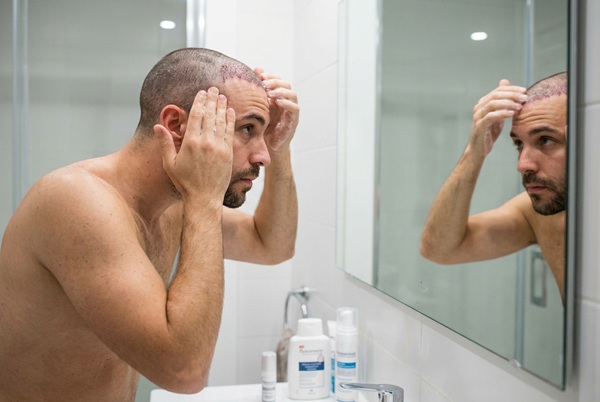
Once you complete your first two weeks, the acute swelling and discomfort from the procedure have completely subsided. However, your scalp will go through noticeable visual changes as it transitions into the next phase of healing:
1. Complete Scab Shedding
By days 10 to 14, the specialized wash regimen provided by your Turkish clinic should have completely removed all scabs. At 15 days, your scalp should be clean and smooth. The hair follicles are now firmly integrated into the dermal tissue, meaning the risk of dislodging a graft by gentle contact is virtually zero.
2. Residual Redness (Erythema)
It is entirely normal for the recipient area to display a pinkish or reddish tone. This is caused by neovascularization—the formation of tiny new blood vessels supplying oxygen and nutrients to the transplanted grafts. Depending on your skin complexion, this redness can persist for several weeks.
3. Numbness and Itching
Two common sensations during this stage include:
- Itching: A healthy sign of skin tissue regeneration. Avoid scratching with your fingernails at all costs.
- Mild Numbness (Paresthesia): A temporary loss of full sensation in the donor or recipient areas while nerve endings heal.
Navigating the “Shock Loss” Phase After Medical Travel
Starting around day 15 to 20, many patients experience a phenomenon known as Shock Loss (telogen effluvium).
What is Shock Loss?
The transplanted hair shafts—and sometimes neighboring native hair—temporarily shed due to the surgical trauma of the procedure. This is a completely normal biological response: the hair falls out, but the root (follicle bulb) remains alive and secure beneath the scalp.
Between month 1 and month 3, your scalp may look thin or similar to how it appeared before surgery. Rest assured that new, permanent hair growth will begin emerging around months 4 to 5.
Post-Op Care Protocol at 15 Days (After Returning Home)
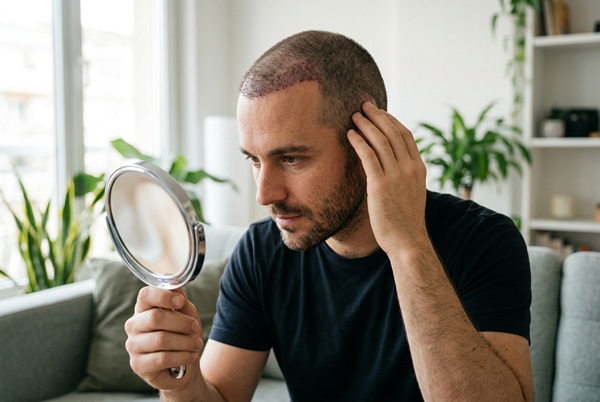
Even though your grafts are secure, adhering to proper aftercare after flying back from Turkey remains essential for optimal density:
- Washing Routine: You can transition to a regular, gentle pH-neutral shampoo. Gently massage the scalp using the pads of your fingers in circular motions without aggressive rubbing.
- Sun Protection: Direct UV radiation can damage delicate skin in recovery and cause hyperpigmentation. Wear a loose-fitting hat or use an umbrella when outdoors.
- Physical Activity & Flying: Flying home is completely safe at this stage. Light walks and low-impact activities are encouraged, but heavy weightlifting, intense cardio, and contact sports should be avoided until day 30.
- Swimming & Saunas: Avoid chlorinated pools, seawater, saunas, and steam rooms for at least 4 weeks to prevent infections.
Recovery Timeline Summary (Days 1 to 30)
| Timeline | Scalp Condition | Primary Care Directive |
|---|---|---|
| Days 1 – 7 | Swelling, scabs, and redness | Rest, saline spray, ultra-gentle washing |
| Days 8 – 14 | Gradual scab softening and removal | Gently massaging off scabs during washes |
| 15 Days (Current Stage) | No scabs, pink skin, anchored grafts | Neutral shampoo, sun protection, light activity |
| Days 15 – 30 | Onset of temporary Shock Loss | Remote follow-ups with your Turkish medical team |
When to Contact Your Clinic’s Aftercare Team
Most reputable Turkish hair restoration centers offer remote post-op tracking via WhatsApp or patient portals. You should send photos to your medical consultant if you experience:
- Pimples or signs of folliculitis (infected hair pores) in the recipient area.
- Persistent pain or localized swelling that worsens instead of improving.
- Stubborn scabs that have not cleared despite following washing instructions.
At TurkHairIndex, we provide objective guides, clinic comparisons, and recovery insights to help international patients navigate every step of their hair restoration journey in Turkey.
Leave a Reply