
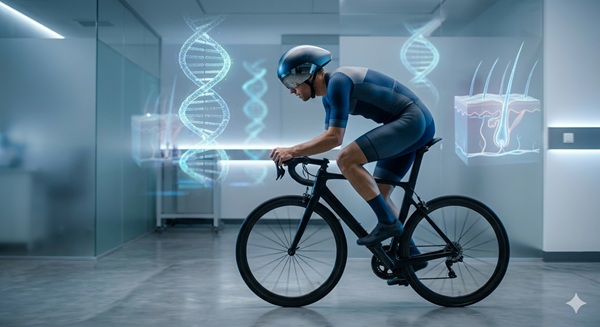
In the landscape of modern aesthetic medicine, the link between physical performance and tissue health has become a fundamental field of study. For elite athletes and intensive fitness enthusiasts, the body is a machine that constantly operates near its biological limits. However, an often-overlooked aspect is how this systemic stress influences the hair follicle life cycle. Understanding the relationship between sports and hair is not just an aesthetic matter, but a necessity for those who wish to maintain thick, healthy hair despite the challenges of extreme training.
1. The Impact of Physical Trauma and Systemic Stress
The human body responds to significant physical trauma through a strategic redistribution of resources. As documented in major international medical reports (including CNN insights on Olympic athlete health), serious incidents such as bone fractures or complex surgeries can trigger Telogen Effluvium.
In these situations, the body enters an “alarm” state, diverting energy and nutrients from keratin production (not essential for survival) toward vital tissue repair. This process can lead to visible thinning about 2-4 months after the traumatic event. For a professional cyclist or runner, recovering from an injury also means managing this cellular transition phase to protect scalp health.
2. Cycling: Specific Challenges for the Scalp
Cycling, a discipline requiring hours of constant effort, presents environmental variables that can compromise hair well-being:
- Microclimate under the helmet: Prolonged use of a protective helmet generates excessive heat and humidity. Without proper hygiene, this environment encourages the growth of bacteria and fungi, which can inflame the hair bulb (folliculitis).
- Friction and Mechanical Stress: Constant rubbing of the helmet against the hairline can cause mild traction alopecia or weaken the hair’s external structure.
- Sweat and Lactic Acid: Sweat does not cause hair loss, but the deposit of salts and lactic acid can excessively dry out the cuticle, making hair brittle and prone to breakage.
3. Biochemistry of Effort: Testosterone and DHT
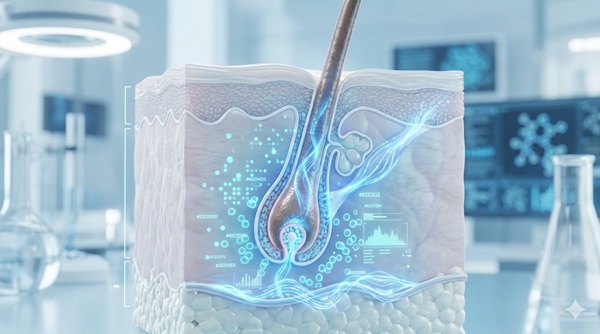
Intense physical activity, especially resistance training (bodybuilding) or high-intensity interval training (HIIT), stimulates natural testosterone production. In genetically predisposed individuals, some of this testosterone is converted into Dihydrotestosterone (DHT) by the 5-alpha reductase enzyme.
DHT is the main factor responsible for follicle miniaturization in androgenetic alopecia. However, it is important to debunk the myth that sports cause baldness: exercise is generally beneficial for microcirculation. The secret lies in hormonal balance and the use of preventive treatments in specialized facilities like Capilclinic, where protocols are offered to neutralize the impact of DHT without compromising athletic performance.
4. Sports Nutrition and Micronutrient Deficiencies
Often, hair loss in athletes is not due to training but to inadequate nutrition. Restrictive diets to maintain racing weight (common in cycling or track and field) can lead to:
- Iron Deficiency (Athlete’s Anemia): Low ferritin is one of the main causes of diffuse hair thinning.
- Protein Deficit: Hair is composed almost entirely of protein. Without an adequate supply of sulfur-containing amino acids, hair loses thickness.
- Oxidative Stress: High oxygen consumption during aerobic activity produces free radicals. Without antioxidant support, follicle cells age prematurely.
5. Hair Transplantation for the Modern Athlete
Today, many athletes choose hair transplantation to restore their image. Thanks to the FUE (Follicular Unit Extraction) technique, the procedure is minimally invasive and leaves no linear scars, allowing a quick return to training.
In Turkey, clinics monitored by TurkHairIndex use Sapphire FUE technology, which guarantees even faster healing times, ideal for those who cannot afford long periods of physical inactivity.
FAQ for Sportsmen and Athletes
Can I work out after a transplant?
It is recommended to avoid intense effort for the first 15 days. After one month, full competitive activity, including helmet use, can be resumed.
Does sweat damage the new grafts?
In the first two weeks, excessive sweating must be avoided to prevent infection. Afterward, it does not pose a risk.
6. Conclusion: Balance Between Performance and Beauty
In conclusion, hair health is a reflection of the athlete’s overall health. Although high-level sport can present challenges, the combined use of targeted nutrition, specific hygiene, and, when necessary, advanced hair surgery allows you to enjoy the best of both worlds.
Consulting reference portals like TurkHairIndex is essential for choosing medical paths based on scientific evidence and high-level clinical experience. Your passion for sport should not be an obstacle to your self-confidence.
7. Microcirculation: The Bulb’s Invisible Engine
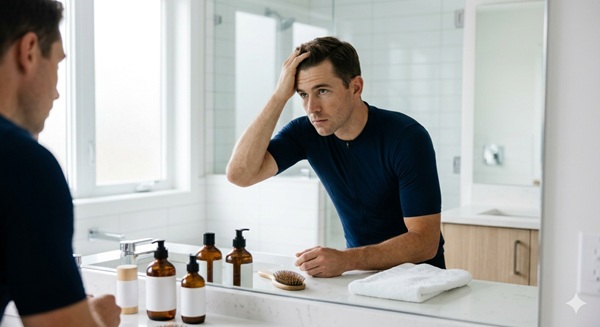
An undeniable advantage of endurance sports, such as cycling or running, is the improvement of systemic capillarization. However, a paradox exists: during maximal effort, blood is “shunted” to the skeletal muscles through a process of peripheral vasoconstriction in non-critical areas, such as the scalp. If repeated daily for years without a proper recovery phase, this can lead to periods of temporary hypoxia in the follicle.
To counteract this, Capilclinic surgeons often recommend post-workout bio-stimulation protocols. The goal is to immediately restore blood flow to the dermal papilla, ensuring the supply of oxygen and nutrients is never interrupted.
8. Return to Competition Timeline
The most frequent question we receive at TurkHairIndex concerns downtime. Here is the standardized protocol for a safe recovery after an FUE procedure:
- Days 1-7: Absolute rest. It is critical to avoid any increase in intracranial pressure that could dislodge the newly placed grafts.
- Days 8-14: Light cardio (brisk walking, gentle yoga). Wearing helmets, tight hats, or excessive sweating is prohibited.
- Days 15-30: Gradual return to the gym and cycling, but avoiding contact sports (soccer, martial arts) or swimming in chlorinated pools.
- After 30 days: Full return. The follicle is now integrated, and the athlete can return to competing at the highest levels.
9. Sports Supplementation: Watch for Side Effects
In the professional world, supplementation is the norm. However, some hormone precursors or stimulants present in uncertified supplements can disrupt endocrine balance, accelerating hair loss in predisposed subjects. It is essential for the athlete to consult experts who understand both sports physiology and trichology.
Leave a Reply