
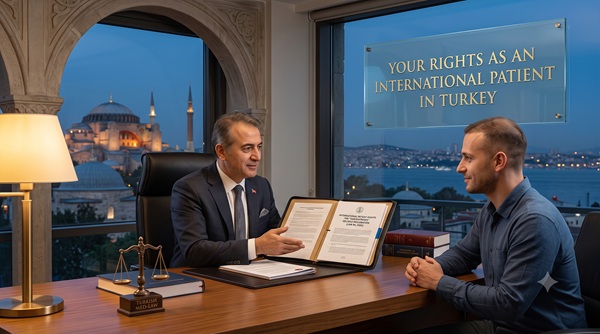
The decision to travel abroad for medical procedures, such as hair transplantation or cosmetic surgery, involves meticulous planning. Turkey has earned its reputation as a premier global hub for hair restoration, combining elite clinical talent with highly competitive pricing structures.
However, an often-overlooked component of medical tourism planning is understanding the legal framework governing patient care. If a medical procedure does not yield the promised results or if malpractice occurs, knowing your rights and the available avenues for legal recourse in Turkey is essential.
This guide provides an objective breakdown of the legal protections available to international patients under Turkish law and the step-by-step mechanisms to enforce them.
The Legal Framework: Turkish Consumer and Medical Law
International patients in Turkey are not left in a legal vacuum. The Turkish state heavily regulates the medical tourism industry to protect its global reputation. Your rights are primarily protected by two pillars of legislation:
- The Turkish Consumer Protection Law (No. 6502): Under this law, medical treatments provided by private clinics and hospitals are classified as consumer services. If a clinic fails to deliver the specific outcome promised in your contract, it can be legally held liable for a “defective service” (Ayıplı Hizmet). To avoid these scenarios, it is crucial to screen your clinic beforehand by checking their official health tourism certifications.
- The Patient Rights Regulation (Hasta Hakları Yönetmeliği): This statute guarantees fundamental medical rights to every individual, regardless of nationality. These rights include the right to informed consent, privacy, access to complete medical records, and the right to stop treatment at any stage.
Step-by-Step Mechanisms for Legal Recourse
If you experience medical negligence, unauthorized deviations from your treatment plan, or contractual breaches, you can initiate several layers of legal dispute resolution.
1. Direct Institutional Grievance (The Patient Rights Unit)
Every licensed hospital and surgical center in Turkey is legally mandated to operate an internal Patient Rights Unit (Hasta Hakları Birimi).
- Before seeking external legal action, you must file a formal written complaint with this unit.
- Why it matters: The clinic is required to investigate the claim internally. In many instances, reputable clinics prefer to settle valid disputes swiftly by offering corrective procedures, complimentary accommodations, or partial refunds to protect their digital brand reputation.
2. The Consumer Arbitration Committee (Tüketici Hakem Heyeti)
For financial disputes, contractual breaches, or minor malpractice claims below a specific monetary threshold set annually by the government, you can appeal to the Consumer Arbitration Committee.
- This process is significantly faster and less expensive than traditional litigation.
- If the committee rules in your favor, their decision is legally binding and enforceable by law enforcement or debt collection agencies against the clinic.
3. Medical Malpractice Litigation (The Civil Courts)
If the negligence results in severe physical harm, permanent scarring, or severe donor area hair transplant side effects, you have the right to file a lawsuit in the Turkish Consumer Courts (Tüketici Mahkemeleri) or Civil Courts.
Through this avenue, patients can claim two types of financial compensation:
- Material Damages (Maddi Tazminat): Covers all financial losses, including the cost of the original surgery, travel expenses, corrective treatments in your home country, and lost wages due to extended recovery.
- Moral Damages (Manevi Tazminat): Financial compensation for emotional distress, psychological trauma, and physical pain suffered as a direct result of the botched procedure.
The Power of the Written Contract

In Turkish courts, documentation is everything. Verbal promises or casual agreements over WhatsApp messaging hold significantly less weight than signed contracts. To ensure you have a viable legal case if things go wrong, always secure the following documents before going into the operating room:
Mandatory Patient Documentation Checklist:
• The Service Agreement: A detailed contract outlining the exact procedure, the name of the operating surgeon (not just the clinic name), and the total cost.
• Informed Consent Forms: Must be provided in a language you fully understand (English, Spanish, French, etc.) explaining all potential risks.
• Detailed Invoices: Official receipts showing the exact amount paid to the clinic entity.
Note: Ensure the contract explicitly specifies that the procedure will be performed by a fully certified surgeon registered with the Turkish Ministry of Health, rather than an uncertified technician.
Conclusion: Protect Your Journey via TurkHairIndex.com

While the vast majority of hair transplants and medical procedures in Turkey are executed with world-class precision, being prepared for worst-case scenarios is the hallmark of a smart medical tourist.
When selecting a clinic through TurkHairIndex.com, always verify that the institution holds an official International Health Tourism Authorization Certificate issued by the Turkish Ministry of Health. This certificate ensures that the clinic operates under strict government oversight, adheres to international hygiene protocols, and respects your legal rights as an international patient.
Leave a Reply